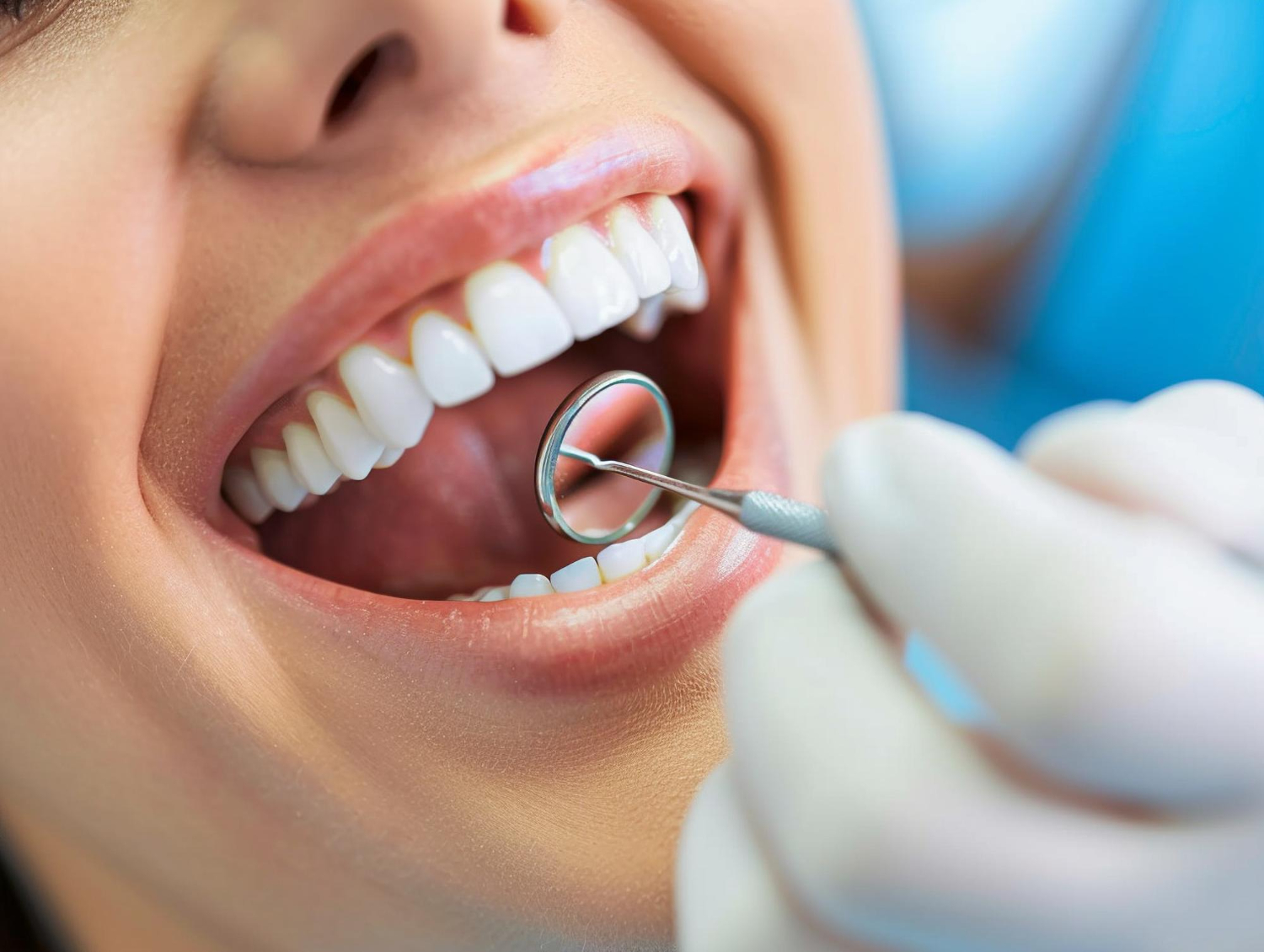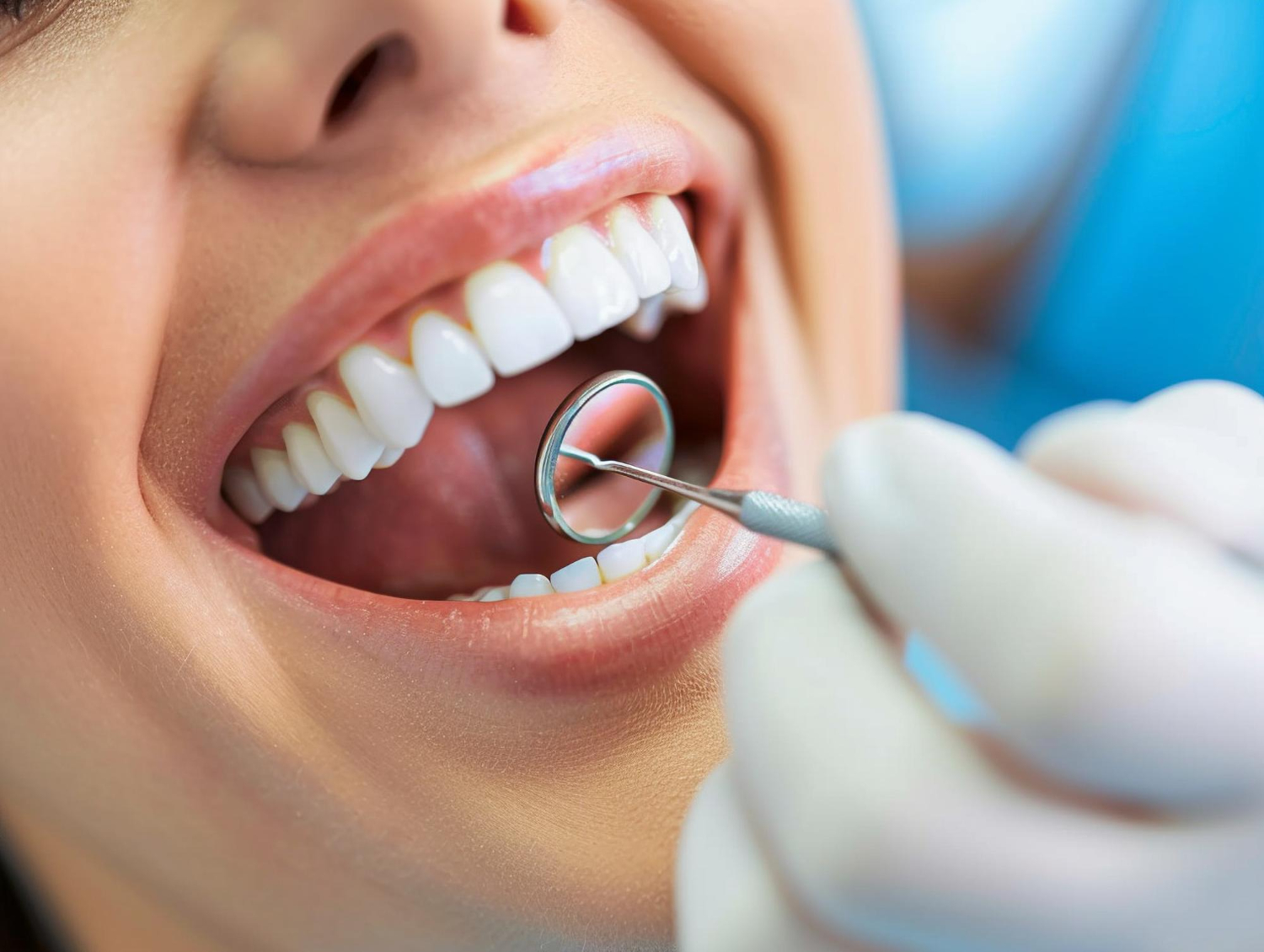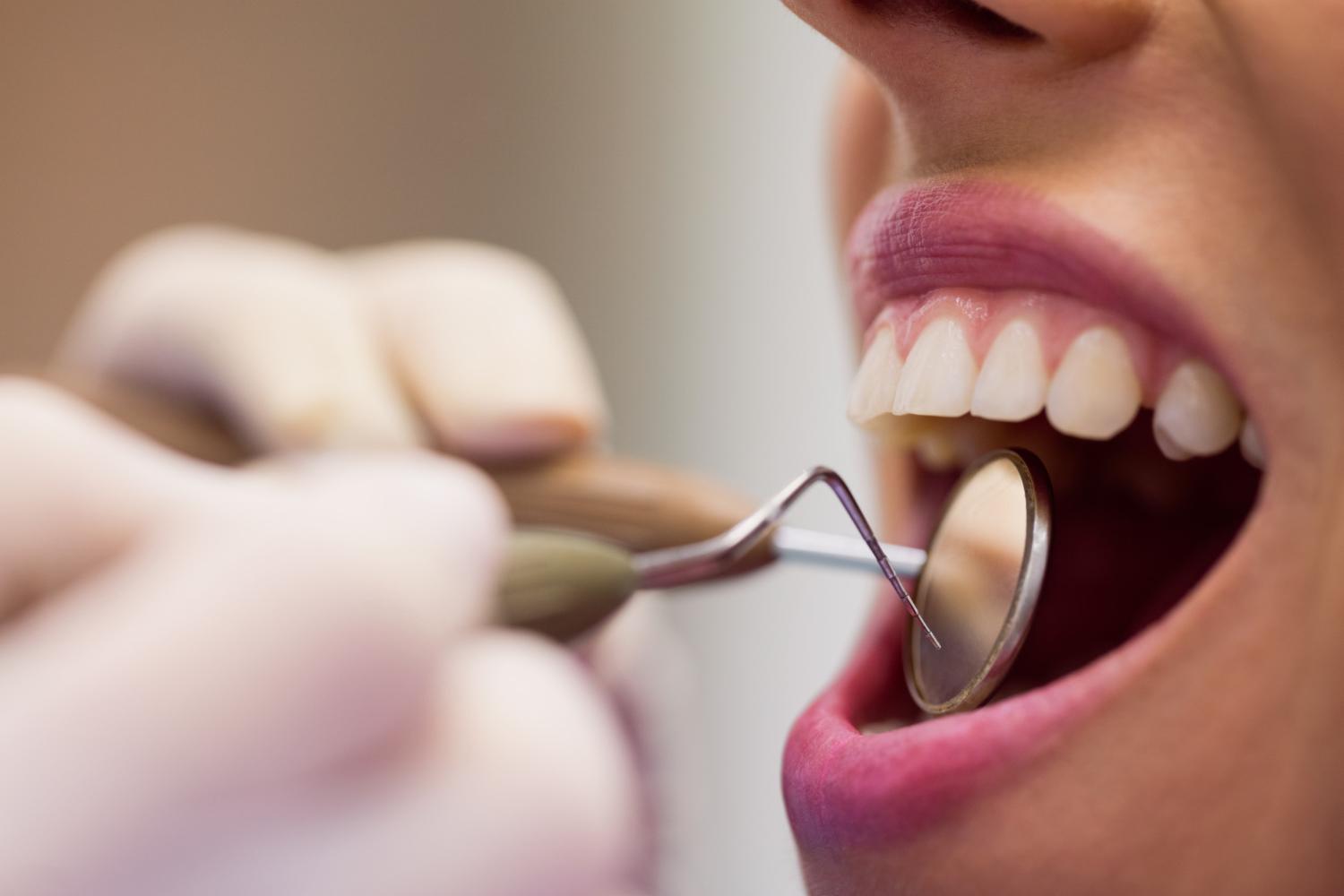
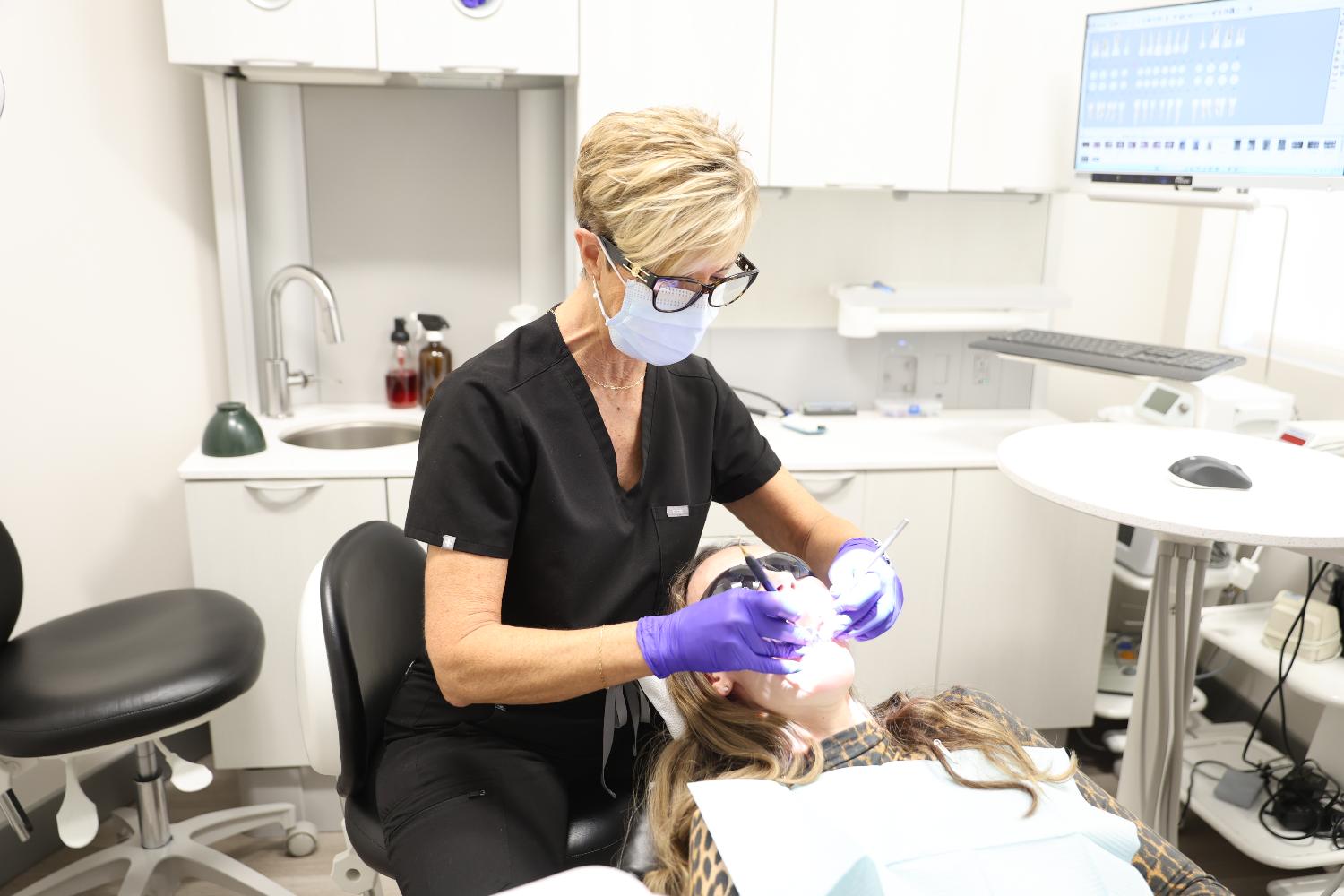
Cavities rarely shout for attention at the beginning. They whisper, poke, and send tiny warnings long before the pain becomes unbearable. Most people miss these early signs because they seem harmless, but catching them early can save you from bigger treatments later. Knowing what to look for gives you a chance to act quickly and protect your smile before the damage spreads.
For More Information on How Cavities Turn into Root Canals, Press Here.
Persistent Toothache That Won’t Go Away
A toothache that keeps coming back—or never fully goes away—is one of the clearest signs that decay is already moving deeper into the tooth. Even if the pain is dull, repeated discomfort usually means the nerves are irritated. Waiting too long allows the cavity to grow and can turn a simple filling into something far more involved. Early action is the easiest form of preventative dentistry and keeps problems from escalating.
If the pain spreads when you eat, talk, or lie down, it’s likely a sign that decay has reached the sensitive inner layers. People in Coquitlam often try to push through the discomfort, but prompt care prevents the problem from affecting surrounding teeth. A quick appointment keeps things manageable and avoids bigger issues later.

Sharp Pain When Biting Down or Chewing Food
A sudden jolt of pain when biting into something is a sign the tooth structure has weakened. Cavities create small openings or soft spots that flex under pressure. That sharp sensation shows that the decay has reached a point where the tooth can no longer handle normal forces. Acting early helps strengthen the area before a larger fracture occurs.
This kind of pain may seem to come and go, but it always points to trouble beneath the surface. Getting dental help early prevents the tooth from cracking or breaking further. A simple exam can identify the source, give you relief, and stop the damage from spreading.
Visible Pits or Holes Forming in the Tooth Surface
Sometimes cavities reveal themselves physically before they cause real pain. Small pits or visible holes often appear on the chewing surfaces or between teeth where food gets stuck. If you spot changes like these, a checkup can catch the problem before bacteria dig deeper into the enamel. Even tiny holes mean the enamel has already weakened.
These openings tend to grow at a faster pace than many expect. Once bacteria enter, they spread silently into the layers beneath. A Coquitlam dentist can fill these early-stage cavities quickly, preventing more complicated procedures later.
Dark Spots Appearing on Tooth Enamel
Darkened areas on the tooth—brown, grey, or black—are often early indicators of decay. These spots can develop gradually, and many people mistake them for stains from coffee or food. The difference is that cavity-related discoloration usually appears in crevices, grooves, or places brushing doesn’t easily reach.
If you notice these marks continuing to grow or darken, it’s worth having them checked. A dentist in Coquitlam can determine if it’s surface staining or active decay. Addressing it early keeps the enamel strong and prevents deeper infection.

Pain near the Gum Line When Eating Sweets
Sensitivity to sweets is a red flag many people overlook. When sugar hits an exposed or weakened area of the tooth, it triggers a sharp or lingering ache near the gum line. This usually means decay is forming in areas that are harder to clean. A quick checkup helps catch these cavities before they begin spreading underneath the enamel.
This discomfort often becomes more frequent over time. Once sugar sensitivity develops, it rarely resolves on its own. Seeing a Coquitlam dentist ensures proper treatment, keeps the gum line healthy, and prevents bigger problems down the road.
Bad Breath That Doesn’t Improve with Brushing
Cavities create pockets where bacteria collect, and no amount of brushing fully removes it. Persistent bad breath is often linked to an active infection or decaying food particles stuck inside tiny holes. When breath doesn’t improve with good hygiene, it’s time to consider what’s causing the odor.
Cavities can trap bacteria deep inside the tooth’s structure, making daily brushing ineffective. A visit for dental help can diagnose whether the cause is decay or something else. Early detection keeps your smile clean and fresh while preventing further buildup.

Swelling or Tenderness Around a Specific Tooth
Localized swelling or tenderness around one tooth is often a sign the decay has reached the inner tissue. Even if the area looks normal, the pressure or sensitivity signals inflammation. This stage can progress quickly, and ignoring it increases the chance of needing more extensive treatment.
Swelling is the body’s response to infection, and it should never be ignored. A Coquitlam dentist can check the area, drain any infection if necessary, and stop the decay before it spreads to the gums or jawbone. Treating it early protects your long-term oral health.
A Cracked or Broken Tooth Exposing Sensitive Areas
A cavity weakens the structure of the tooth, making it more likely to crack. If you suddenly chip or break a tooth while chewing, it could be the direct result of decay hiding underneath. This damage exposes sensitive nerves, causing sharp pain and discomfort.
A cracked tooth needs immediate care to prevent infection and protect the surrounding teeth. Visiting a dentist in Coquitlam as soon as possible stops bacteria from entering deeper layers and ensures the tooth can be restored with the right treatment. Acting quickly saves you from needing more invasive procedures later.
Smiling Creek Dental Provides Reliable Cavity Treatment and Comfortable Care for Every Patient
Smiling Creek Dental focuses on giving patients the care they need before small problems become emergencies. Our team offers gentle, thorough exams that identify early signs of decay and provide clear treatment options. We help patients understand what’s happening and how to protect their teeth long-term.
If you’re noticing sensitivity, discomfort, or visible changes in your smile, Smiling Creek Dental is ready to help you act early and confidently. Your comfort and health matter, and their friendly dental team makes every visit easy and reassuring. Contact us today to schedule an appointment and keep your smile protected with expert care.
Frequently Asked Questions
What Services Does Smiling Creek Dental Offer?
We provide comprehensive dental care, including fillings, cleanings, exams, root canal therapy, crowns, emergency dental treatment, cosmetic options, and preventative dentistry for patients of all ages.
How Do I Know If I Have a Cavity or Just Sensitivity?
A cavity often causes consistent or pinpoint pain, visible spots, or sensitivity to sweets. Sensitivity alone can come from other issues, but an exam is the only reliable way to know. A checkup at Smiling Creek Dental ensures you get an accurate answer and proper treatment.
Do Cavities Always Hurt?
No. Some cavities stay painless until they reach deeper layers of the tooth. Early-stage decay may only show visual signs. Routine checkups help catch them before discomfort begins.
Can I Prevent Cavities with Good Hygiene Alone?
Good brushing and flossing help, but diet, genetics, and daily habits also play a role. Smiling Creek Dental provides personalized guidance and offers treatments that strengthen enamel and reduce risk.